
When Tiger Woods slammed his Range Rover into the back of a slowing pickup truck’s trailer last Friday afternoon, the optics could not have been worse. Here was Woods, who had already encountered police in the course of three prior traffic incidents over the last 15 years, clambering out of the passenger side of his overturned vehicle, appearing disoriented and glassy-eyed, per a police report.
He was given a field sobriety test, which he failed, and in the course of his arrest officers discovered two hydrocodone pills in his pants pocket.
Woods looked and acted inebriated, according to the arresting officers, and his already-tarnished public image took yet another hit as the news of the latest serious traffic incident involving golf’s biggest star exploded.
But is Woods in legal jeopardy after his latest arrest?
That’s a different question entirely, one that Florida criminal defense attorneys dispute.
“Based on the police report this morning, I don’t see any way the state can prove a DUI charge against Tiger unless they have something else that they haven’t provided yet,” criminal defense attorney Matthew Olszewski of the FL DUI Group told Yahoo Sports Tuesday morning. “This should be a ‘not guilty’ all day long.”
That coincides with what another Florida defense attorney told Yahoo Sports on Friday in the wake of Woods’ arrest.
“Seems like they have no case, no DUI case,” South Florida defense attorney Robert Reiff told Yahoo Sports. “Period, full stop.”
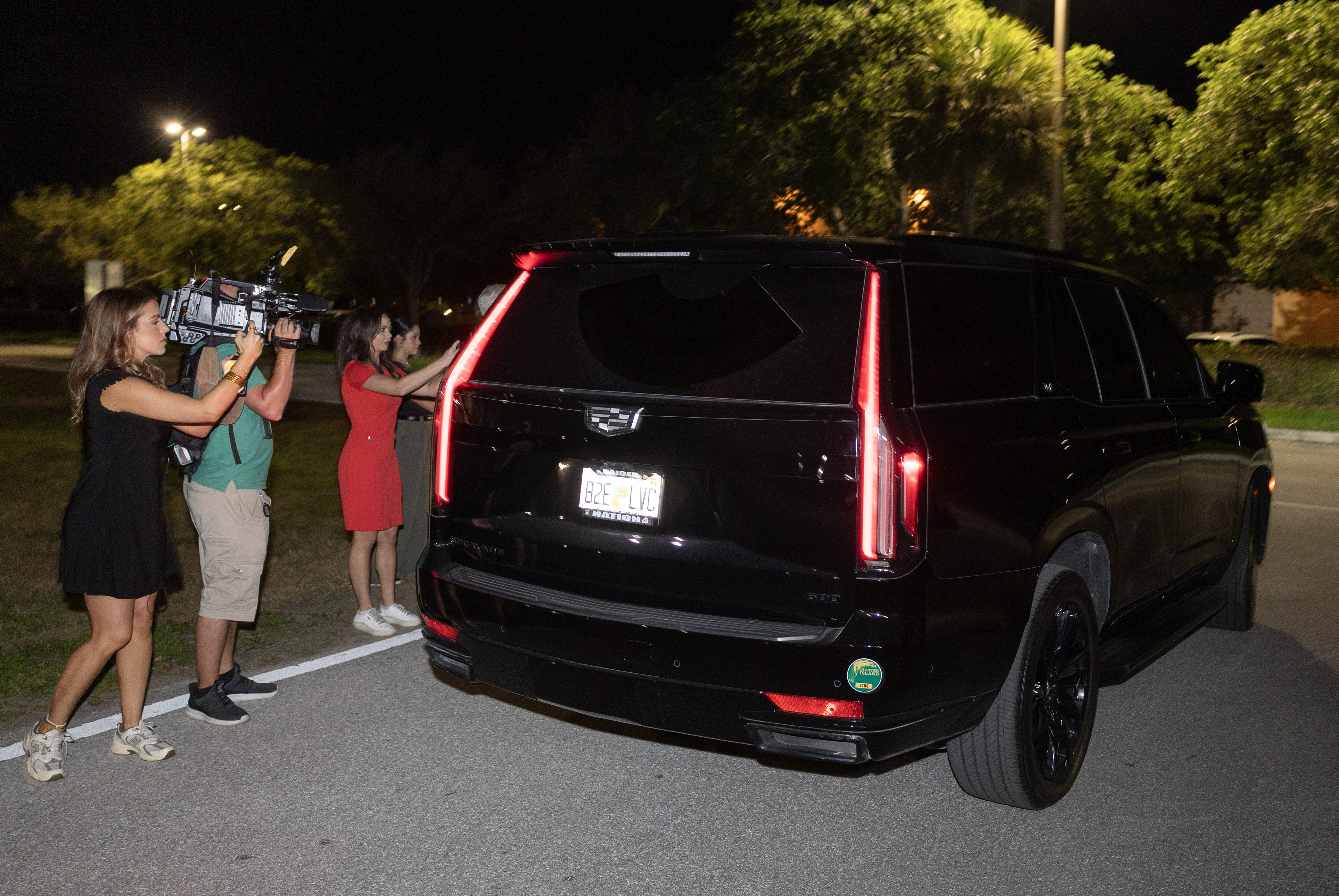
The Martin County Sheriff’s Office released the affidavit from Woods’ arrest on Tuesday, and contained within were some elements that could allow Woods to avoid charges entirely.
Woods blew a 0.00 on a breathalyzer but declined to submit to a urinalysis. According to the affidavit, officers on the scene described Woods as “impaired” and “unable to safely operate the motor vehicle.” He was later arrested on charges of DUI with property damage and refusal to submit to a lawful test. The affidavit further noted the two pills found in Woods’ left pants pocket, which carried markings consistent with hydrocodone — a prescribed medication.
“Any time a prescription drug DUI is alleged, it’s hard for the state to prove,” Olszewski explained. “You almost have to prove that the person is abusing it or mixing it with alcohol. Typically juries have issues with convicting unless the facts are really bad.”
Olszewski noted a significant “red flag” contained within the affidavit: namely, that the key elements of the affidavit conflict with one another. Police noted in the affidavit that Woods was found with hydrocodone in his pocket, and also that his pupils were “extremely dilated.” However, hydrocodone does not typically cause dilation of the pupils, but constriction.
“In Florida, you’re supposed to keep prescription drugs in a pill case or bottle,” Olszewski said.
Prosecutors, he added, will try to imply that “the pills were in his pocket, so he must have been popping pills when driving. But to prove a case beyond a reasonable doubt, you can’t have a jury making assumptions for you.”
Reasonable doubt, Olszewski suggests, is sufficient to allow Woods to walk free from this case.